30–90 day delays
By the time the books were reconciled, the window to act had often closed.

I was trying to make nonprofit operations work better.
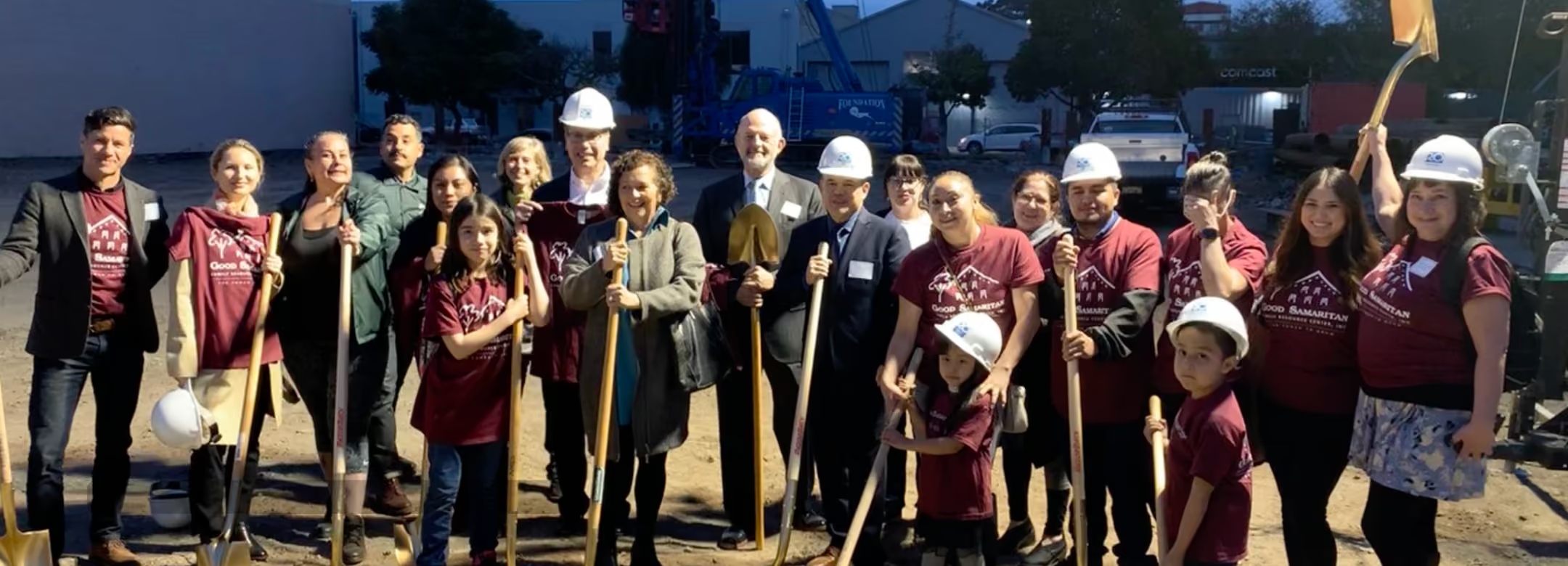
My name is Kian Alavi. Before starting Mazlo, I spent close to 20 years working in nonprofits. I've been a fiscally sponsored project leader. I've been the operations person cleaning up the books. I've been the deputy director responsible for programs and other fiscally sponsored projects. And eventually, I became the person ripping apart the back office over and over again, trying to find a better way to do the work.
I was born in San Francisco. In my early twenties I worked as a financial advisor, and then went on to build a career in commercial real estate and eventually found myself managing one of the largest real estate portfolios in the city. It was a good career.
But around 30, I realized I didn't want to become the people above me. Not that they were good or bad people, but they were mostly miserable about work. And so was I.
One of my last buildings was the renovation of an old hotel in the Tenderloin. I moved my office there during construction and spent about six months working in the neighborhood every day. And everyday, I kept seeing kids — young kids walking through the Tenderloin with their backpacks, navigating some of the toughest streets in the city.
Something about it broke my brain. So I Googled youth volunteer Tenderloin, found an afterschool program, and started volunteering. I stayed for about two years. Eventually, I decided I wanted to do more.
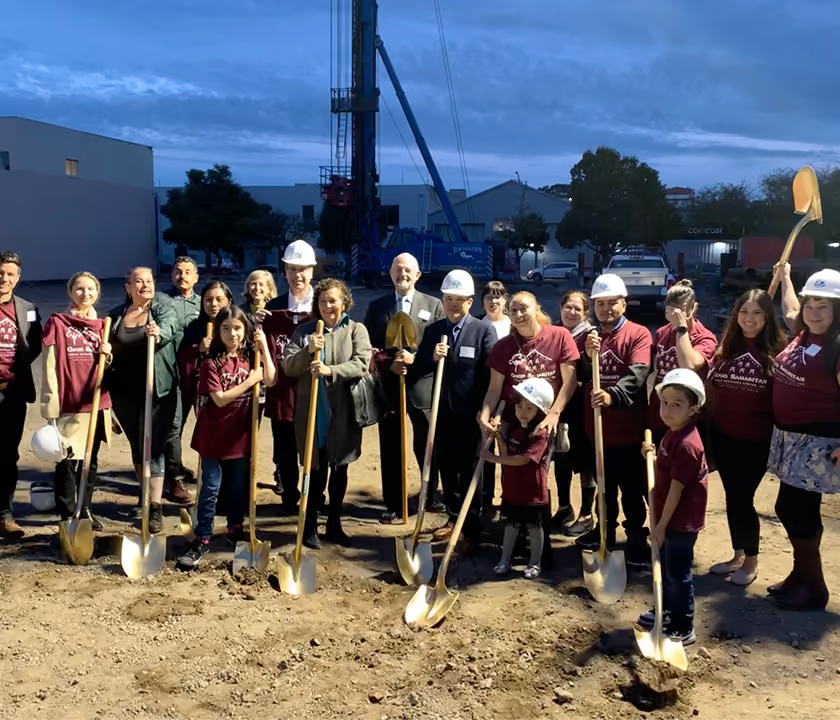
I raised some money from friends and started a summer camp. That summer program turned into two after school programs serving young people in San Francisco's Mission and Bayview neighborhoods. And it grew. Fast.
I started as a Model C fiscally sponsored project. I also had absolutely no idea what I was doing. I was trying to run programs, raise money, pay people, manage grants and somehow understand nonprofit finance at the same time. Eventually, the City of San Francisco, a major grantor, told me I needed help. They were right.
I started looking for a Model A fiscal sponsor. The large sponsors I knew about at the time were out of reach for a small organization like mine. Then our sponsor, a local family resource center, offered to take us as a Model A.

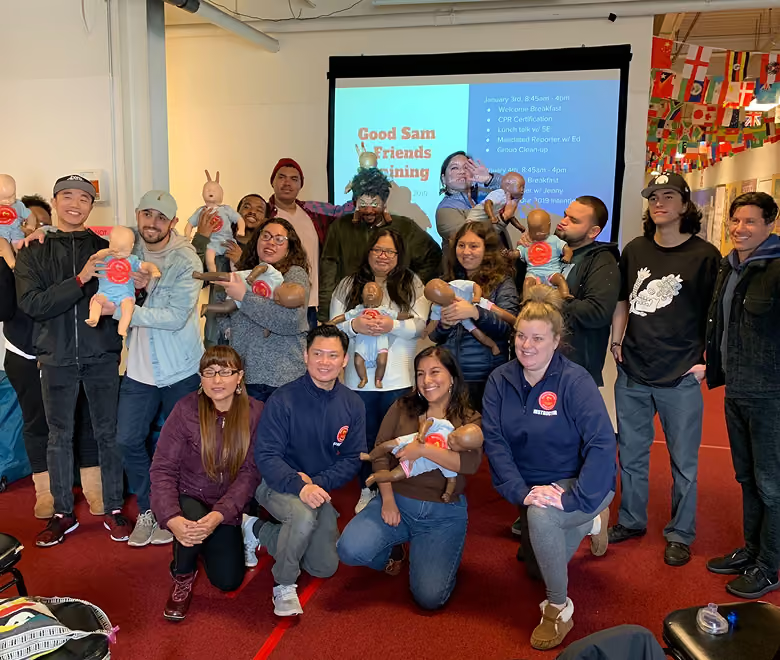
Our sponsor took responsibility for our back office, HR, insurance and legal stuff. And for an entire summer, instead of running summer programming, I sat with a nonprofit CFO who had been doing this work for 30 years.
He taught me fund accounting. He taught me what I had gotten wrong. He taught me why all of this mattered. And our programs kept growing.
Eventually, our fiscal sponsor invited us to become part of the organization permanently. I went from project founder to Director of Youth Services, then Director of Operations, and eventually Deputy Director.
We opened sponsorship to another project, and I led the effort internally. Now I was helping with the paperwork, managing projects. And I started seeing fiscal sponsorship very differently.
You are trying to support incredible people doing important work. You also have payroll. Restricted funds. Grant agreements. Receipts. Approvals. Reimbursements. Compliance. Audits. Accounting. Projects that need answers. Staff who need answers. Funders who need answers.
So I did what nonprofit operations people do. I tried to fix it. We changed accounting systems. We implemented a free CRM. We rebuilt processes. We made spreadsheets. We rebuilt the spreadsheets. I ripped apart our back office more times than I can remember. But I never felt like we actually solved the underlying problem.
When I eventually left, I thought I was going to build better grant management software. Then I started talking to fiscal sponsors from across the country. And they kept redirecting me. Talk to my CFO. Talk to our accounting team. Talk to AP. Talk to finance.
And eventually the problem became obvious. It wasn't just grant management. The financial infrastructure itself wasn't built for fiscal sponsorship.
The books were telling us what happened. Way too late.
A fiscal sponsor might be responsible for dozens or hundreds of restricted projects. But the financial systems underneath them were still largely designed around an organization and a general ledger. Projects would spend money. Transactions would flow through different systems. Accounting would reconcile everything.
Then, 30, 60 or sometimes 90 days later, everyone would finally have a clearer picture of what happened. For fiscal sponsorship, that is a very long time. Because the sponsor is responsible today. The project needs an answer today. And the money needs to flow to do good work.
By the time the books were reconciled, the window to act had often closed.
Information lived across 3, 5, or 10 different tools. Nothing talked to each other.
Every question from every project landed in someone's email. Nothing scaled.
We, myself and the founding team, became convinced that if we wanted to meaningfully improve fiscal sponsorship, we had to get closer to money movement itself.
Mazlo combines banking, payments, cards, donations and fund accounting infrastructure around the way fiscally sponsored organizations actually operate. When money moves, the system already knows which project and fund it belongs to.
✓ Projects can see what is happening — in real time.
✓ Finance teams can see what is happening — without chasing receipts.
✓ Sponsors can maintain controls without making every interaction feel like a compliance exercise.
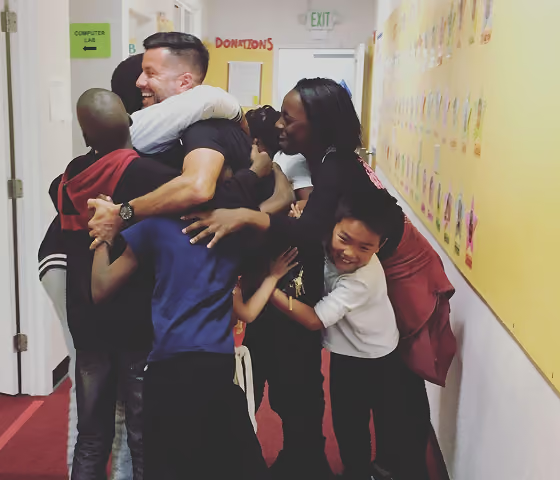
Because fiscal sponsorship is not really about moving money. It is about relationships. It's about stewardship. It's about saying yes and helping good people do great things in their community. But the finance part is hard, full of friction — and it reduces trust and relationships get tested.
Technology should give people more room to work together, not put another system between them.
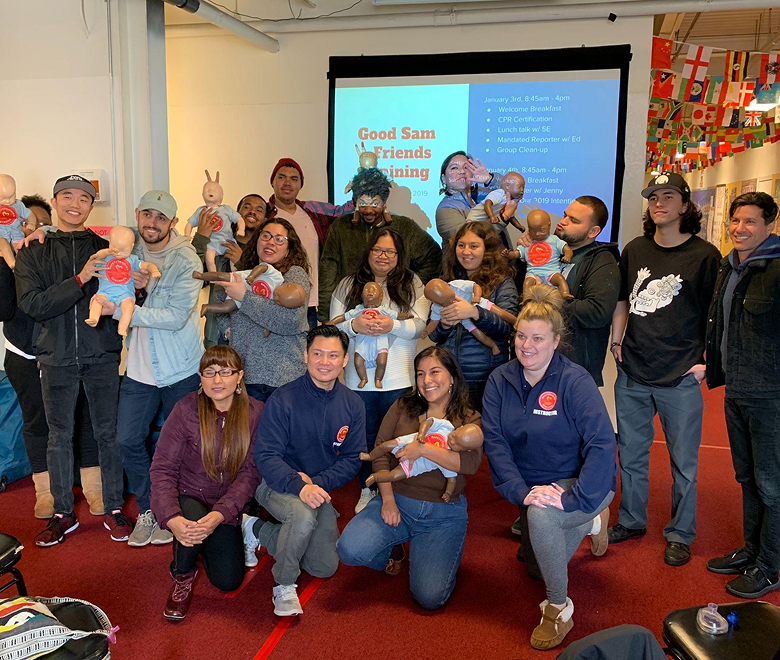
And more importantly, it gave me room to focus on the kids we were serving, and building a great team. It gave our project a chance to grow to meet the need. And it taught me what great fiscal sponsorship can make possible.
Years later, I want Mazlo to help more sponsors give their projects that same feeling — you have real support and real clarity. You can go and do the work you came to do.
We were fortunate to have an incredible Customer Advisory Board helping to guide us, values aligned board members, customers and teammates who deeply understand why this infrastructure matters.
But I still think about the work the same way I did when we started. Listen to the real builders doing real work. Understand how it actually happens. Give them great service and tech that makes their lives easier. Because fiscal sponsors are quietly providing some of the most important infrastructure in the nonprofit sector. They deserve infrastructure built for them, too.
Built from the work, for the work.
See how Mazlo works →No commitment Set up in minutes